Key Takeaways
- Nutritional needs can shift with age: Changes in hormones, metabolism, and nutrient absorption may influence dietary priorities over time.
- Different decades may call for different focuses: Nutrients and supplements often emphasized in the 20s and 30s may differ from those in later years.
- Common gaps can occur at any age: Nutrient shortfalls may be influenced by diet, lifestyle, medications, and overall health.
- Food-first habits remain the foundation: A balanced diet, regular activity, and adequate sleep are consistently emphasized across all stages.
- Supplement use is individualized: Choices may vary based on personal needs, health status, and guidance from a healthcare provider.
Health Tips for Men: Supplements for Each Decade
Whether we like to admit it or not, a man’s body naturally starts to change as he gets older, although there are certainly steps he can take to keep himself healthy.
Once a man passes his 30s, he’s likely to start producing less collagen, the protein that acts like a natural “scaffolding material” which holds the body together, while his production of testosterone will also likely start to dwindle over the following decades. Additionally, men in their 40s, 50s, and beyond are more prone to experiencing fluctuations in blood pressure and blood sugar and certain nutrient deficiencies.
So what’s a man to do? In addition to eating a nutrient-dense diet, exercising, and getting enough sleep, all essential components of a healthy lifestyle, certain supplements can help support men during different stages of life. Below you’ll find our top picks for protein, vitamin, and mineral supplements that can benefit men from their 20s through their 80s.
In your 20s & 30s:
Quality multivitamin
According to a recent nutrition report released by the Centers for Disease Control and Prevention in the U.S, about 10% of the entire S. population likely has at least one or more nutritional deficiencies, including younger people in their 20s and 30s.
The most common deficiencies include those in these vitamins and minerals: vitamin B12, magnesium, vitamin A and D, iron, zinc, and folate.
While a varied, healthy diet may be able to supply all the nutrients you need, issues like digestive problems, medications, and genetics can leave you susceptible to falling short in some vitamins and minerals, which is why taking a quality multivitamin can be a wise ”insurance plan.” You can start taking a multivitamin in your 20s, but keep at it as you get older, since most provide antioxidant vitamins like A, C, and E that help fight free radical damage (also called oxidative stress), which speeds up the aging process.
For the most “bang for your buck,” choose one that’s fermented and made from real foods, which supports absorption. Bonus points if you take a multivitamin that’s also rich in supportive superfoods and adaptogens like ashwagandha, turmeric, ginger, ginseng, and medicinal mushrooms.
Probiotics
No matter your age, there’s a strong connection between the health of your gut and your overall wellness. Probiotics, or the “good bacteria” that populate your gut microbiome, have many important roles — such as supporting digestion, nutrient assimilation, immune function, body weight, and even mental health.
Eating probiotic-rich foods (such as yogurt, sauerkraut, and kimchi) and taking a daily probiotic supplement is a good strategy for keeping harmful bacteria in check, while supporting growth of the types you want to thrive. There are dozens of probiotic supplements available, but for help with absorption and utilization, consider taking an SBO (soil-based organism) probiotic, which contains bacteria that are capable of effectively making their way through your GI tract.
In your 40s & 50s:
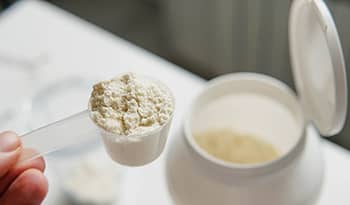
Collagen protein
Collagen is the most abundant protein in the human body, helping to form connective tissues, including the skin, joints, tendons, and the lining of the GI tract. Once adults reach their 40’s, they begin making less collagen, and unfortunately, this decline only continues with older age (especially if someone lives an unhealthy lifestyle).
Collagen protein powders supply you with amino acids that help your body to carry out functions such as building and maintaining muscle tissue, supporting joint comfort, maintaining skin elasticity, and strengthening the gut lining. This is important if you want to hold onto muscle and bone strength, to o support everyday joint comfort, and to prevent early signs of aging on your skin.
Vitamin D
Because the human body makes vitamin D only with help from sunlight (and to a lesser extent from certain foods), a high percentage of people of all ages today are deficient in this vitamin, since an “indoor lifestyle” (think desk jobs and long commutes) is so common. It’s estimated that a whopping 40 to 90 percent of adults in the U.S (depending on their skin color) are suffering from vitamin D deficiency.
Having adequate levels of vitamin D is important for your bones, immune system, cognitive function, production of hormones like testosterone, and for mood, meaning that it’s imperative to bring your levels up if you’re running low. Taking a vitamin D3 supplement (the more active and bioavailable form) and spending more time outdoors in the sun is the best way to help prevent a deficiency.
In your 60s, 70s & Beyond
Magnesium
Given how many functions magnesium is involved in, including supporting heart health, nerve signaling, muscle contractions, and digestion, it’s a shame so many people don’t get enough of this key mineral.
When you run low in this essential electrolyte, you may be more likely to deal with issues such as occasional head tension, muscle cramps, cardiovascular changes, digestive issues, and restlessness.
While men of all ages can benefit from getting plenty of magnesium, older men might be more at risk of deficiency due to factors like malabsorption, use of some medications, excessive alcohol consumption, suboptimal metabolic health, and low intake of fruits and veggies. Supplementing can be an easy and effective way to support everyday joint comfort, trouble sleeping, and even constipation.
Omega-3s
These anti-inflammatory fatty acids, which are found naturally in foods like salmon and sardines, are supportive of cardiovascular and cognitive health, and may help to keep your mood lifted and weight in check, too.
We need omega-3 fats to counteract the effects of omega-6s, which are highly prevalent in the modern-day diet. Ideally, adults should consume a ratio of omega-6s to omega-3s that’s between about 2:1 and 4:1. There’s evidence that many men may be consuming up to 10 times more omega-6s than this!
Since older men often want to proactively support their cardiovascular health, cognitive function, and overall inflammatory balance, now’s the time to supplement and/or increase your intake of omega-3 foods.
Zinc
When you think of immune-supporting nutrients, vitamin C probably comes to mind, but did you know that zinc is another immunity powerhouse?
Zinc promotes healthy immune function in part by helping to regulate the survival, proliferation, and maturation of immune cells. It provides robust support for your natural defenses. Because maintaining a strong immune system becomes increasingly important as we age, it’s a smart idea for older men to up their zinc and antioxidant intake (such as vitamins C, A, and E).
References:
- CDC. (2024). About IMMPaCt. Nutrition. https://www.cdc.gov/nutrition/php/micronutrients/international-micronutrient-malnutrition-prevention-and-control-immpact.html
- Harman SM, Metter EJ, Tobin JD, Pearson J, Blackman MR; Baltimore Longitudinal Study of Aging. Longitudinal effects of aging on serum total and free testosterone levels in healthy men. Baltimore Longitudinal Study of Aging. J Clin Endocrinol Metab. 2001 Feb;86(2):724-31. doi: 10.1210/jcem.86.2.7219. PMID: 11158037.
- Lobo V, Patil A, Phatak A, Chandra N. Free radicals, antioxidants and functional foods: Impact on human health. Pharmacogn Rev. 2010 Jul;4(8):118-26. doi: 10.4103/0973-7847.70902. PMID: 22228951; PMCID: PMC3249911.
- Cryan JF, O'Riordan KJ, Cowan CSM, Sandhu KV, Bastiaanssen TFS, Boehme M, Codagnone MG, Cussotto S, Fulling C, Golubeva AV, Guzzetta KE, Jaggar M, Long-Smith CM, Lyte JM, Martin JA, Molinero-Perez A, Moloney G, Morelli E, Morillas E, O'Connor R, Cruz-Pereira JS, Peterson VL, Rea K, Ritz NL, Sherwin E, Spichak S, Teichman EM, van de Wouw M, Ventura-Silva AP, Wallace-Fitzsimons SE, Hyland N, Clarke G, Dinan TG. The Microbiota-Gut-Brain Axis. Physiol Rev. 2019 Oct 1;99(4):1877-2013. doi: 10.1152/physrev.00018.2018. PMID: 31460832.
- Choi FD, Sung CT, Juhasz ML, Mesinkovsk NA. Oral Collagen Supplementation: A Systematic Review of Dermatological Applications. J Drugs Dermatol. 2019 Jan 1;18(1):9-16. PMID: 30681787.
- Forrest KY, Stuhldreher WL. Prevalence and correlates of vitamin D deficiency in US adults. Nutr Res. 2011 Jan;31(1):48-54. doi: 10.1016/j.nutres.2010.12.001. PMID: 21310306.
- Pilz S, Frisch S, Koertke H, Kuhn J, Dreier J, Obermayer-Pietsch B, Wehr E, Zittermann A. Effect of vitamin D supplementation on testosterone levels in men. Horm Metab Res. 2011 Mar;43(3):223-5. doi: 10.1055/s-0030-1269854. Epub 2010 Dec 10. PMID: 21154195.
- DiNicolantonio JJ, O'Keefe JH, Wilson W. Subclinical magnesium deficiency: a principal driver of cardiovascular disease and a public health crisis. Open Heart. 2018 Jan 13;5(1):e000668. doi: 10.1136/openhrt-2017-000668. Erratum in: Open Heart. 2018 Apr 5;5(1):e000668corr1. doi: 10.1136/openhrt-2017-000668corr1. PMID: 29387426; PMCID: PMC5786912.
- Simopoulos AP. The importance of the ratio of omega-6/omega-3 essential fatty acids. Biomed Pharmacother. 2002 Oct;56(8):365-79. doi: 10.1016/s0753-3322(02)00253-6. PMID: 12442909.
- Prasad AS. Zinc in human health: effect of zinc on immune cells. Mol Med. 2008 May-Jun;14(5-6):353-7. doi: 10.2119/2008-00033.Prasad. PMID: 18385818; PMCID: PMC2277319.
DISCLAIMER:
These statements have not been approved by the Food and Drug Administration. These products are not intended to diagnose, treat, cure, or prevent disease.

























































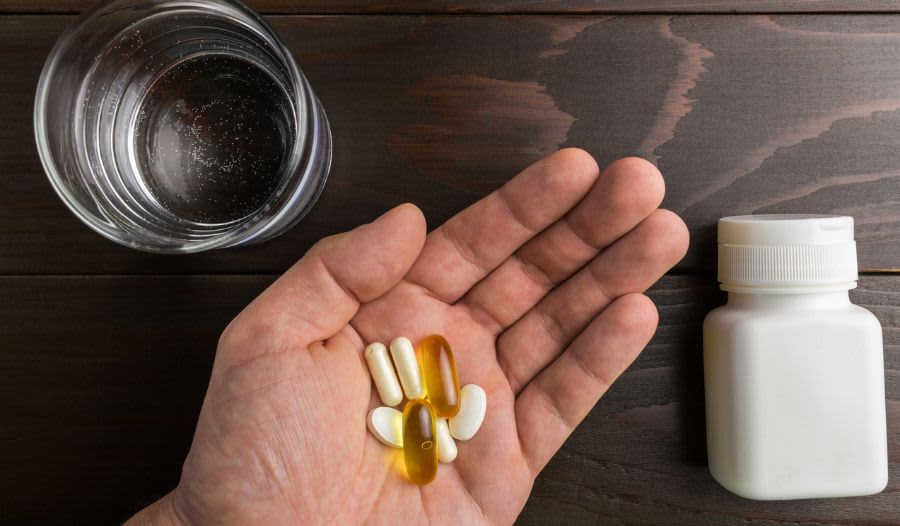
 Table of Contents